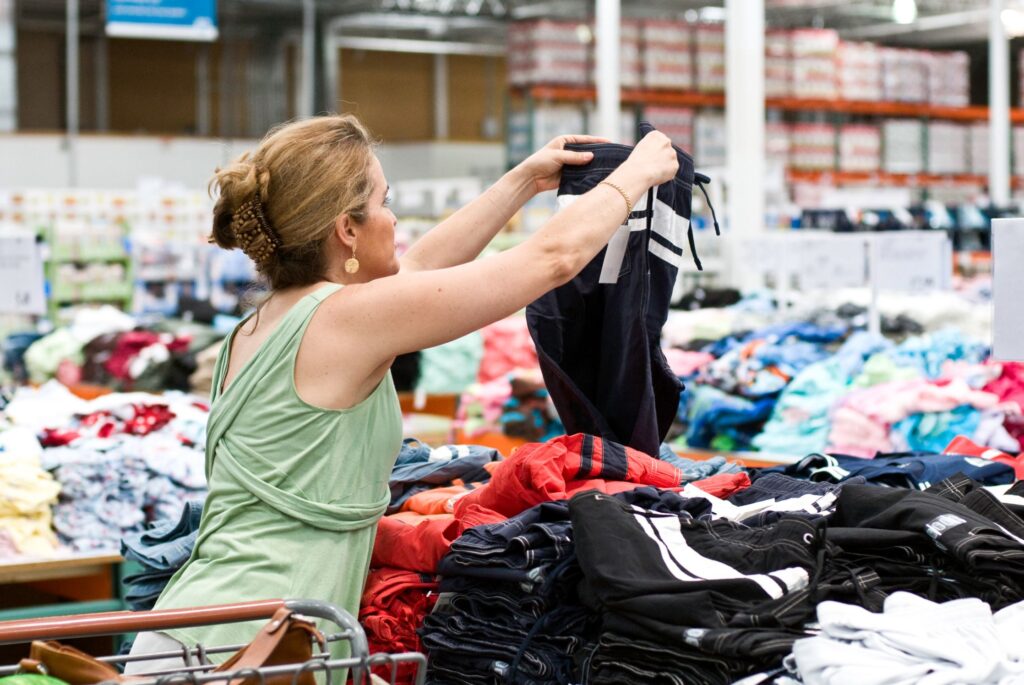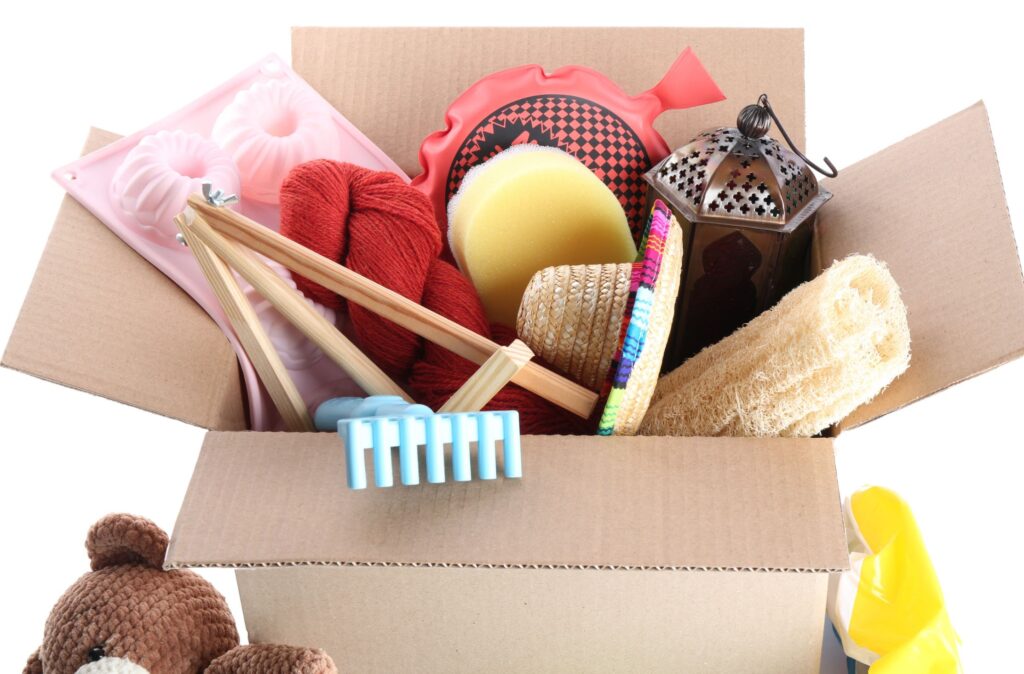
Most Goodwill Bins resellers remember the exact moment picking stopped feeling like a hobby. Maybe it was the third trip to the post office in one day, or the closet that quietly turned into inventory storage. The global resale market is worth roughly $560 billion in 2026 and growing about 11% a year, according to Accio’s 2026 Resale Trends report. That growth is not abstract for the person driving a minivan full of bins finds home from the outlet every week. It’s the reason a side hustle built on $1.49-per-pound bins can, within a year or two, start looking like an actual small business with actual logistics problems.
This piece follows that arc: from picking bins for grocery money, to buying pallets and truckloads, to hitting the point where storage and shipping stop being something you handle after dinner and start being something you have to plan around.
When Bin Picking Turns Into a Real Supply Chain
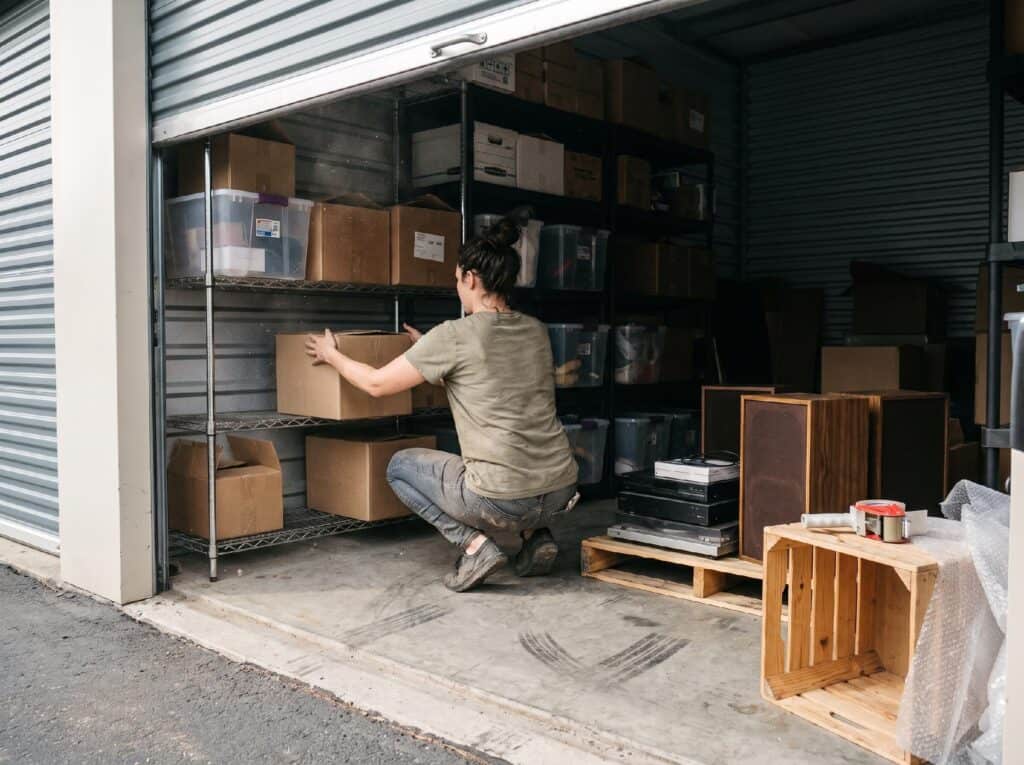
There’s a tipping point every serious reseller hits. Once you’re shipping dozens of orders a week instead of two or three, the systems that worked at hobby scale start to break. A card table becomes a packing station, then a packing room, then a rented storage unit. Shipping runs eat entire afternoons. Inventory gets lost between “the garage” and “the closet” because there’s no real system tracking where anything sits.
This is exactly why about 60% of online retailers now outsource at least part of their fulfillment to third-party logistics providers, according to Fulfill.com’s 2026 report on the best 3PL warehouses for small business. Handing off storage, packing, and shipping frees a reseller up to do the thing that actually makes money: sourcing. For resellers who buy in bulk near the US-Mexico border or who source liquidation inventory bound for Mexican buyers, a border-region option such as 3PL in Tijuana becomes a genuinely practical answer rather than a big-city warehouse three states away. It puts fulfillment infrastructure close to a corridor that’s already moving huge volumes of freight, without forcing a reseller to build a warehouse from scratch.
Why Bulk and Liquidation Sourcing Complicates Fulfillment
Bins hunting has a natural ceiling. Once a reseller wants more consistent volume, the next step is usually liquidation pallets or full truckloads bought straight from a wholesaler. That’s where fulfillment gets genuinely harder, because the categories that dominate liquidation aren’t light. Apparel is only about 25% of the overall recommerce economy; most secondhand transactions actually happen in electronics, automotive parts, furniture, and sporting goods, according to Forbes’ report on the 2026 resale market. Those categories cost more to store and more to ship, and they don’t fit neatly into a home office anymore.
Resellers who buy liquidation pallets for cross-border resale also run into a separate wrinkle: paperwork. Direct Liquidation’s guide to exporting US liquidation pallets into Mexico walks through the customs documentation and export requirements that trip up sellers who assume moving goods south of the border works the same as shipping domestically. It doesn’t, and finding this out mid-shipment is an expensive way to learn it.
Why the US-Mexico Border Region Matters for Growing Resellers
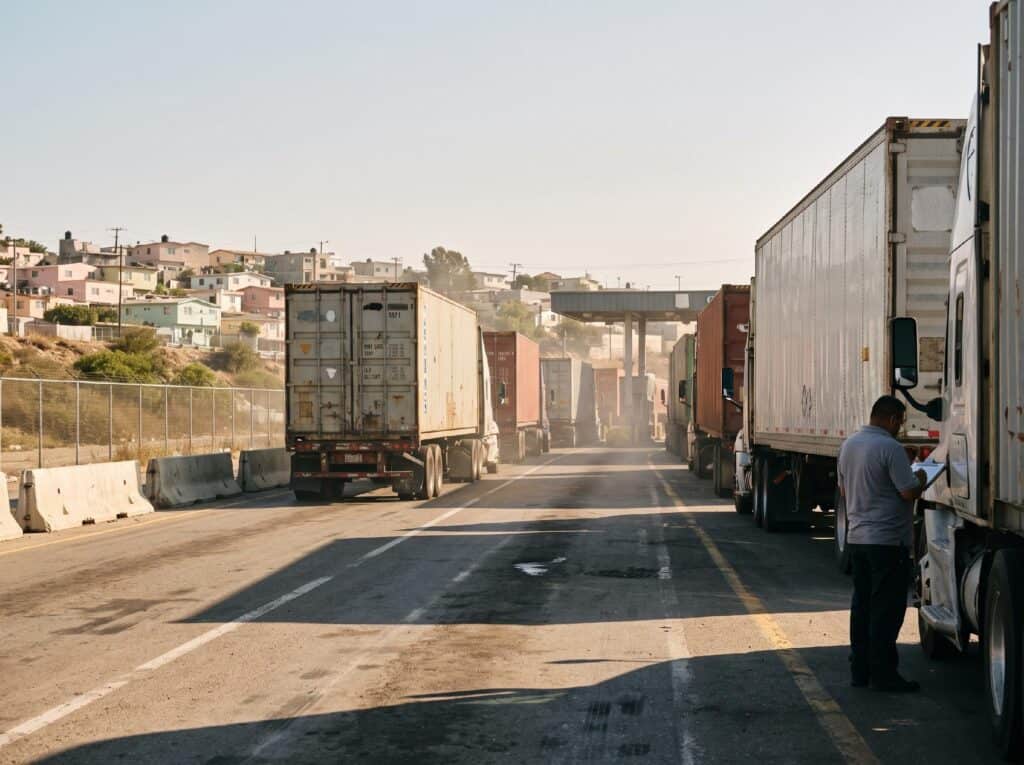
Border-region logistics keeps showing up in reseller conversations for a reason that has nothing to do with trends and everything to do with math. Moving goods through Mexican border hubs like Tijuana cuts transit time from 25-40 days by ocean to just 2-5 days by truck for US-bound freight, according to Newmark’s 2026 report on Tijuana nearshoring and industrial market growth. For a reseller whose whole business depends on turning inventory fast, that’s the difference between cash sitting in a shipping container for a month and cash sitting in a bank account.
Mexico’s 3PL market reflects how real this trend has become. It’s sized at $28.6 billion in 2026 and projected to reach $60.59 billion by 2035, an 8.70% compound annual growth rate. Northern border cities such as Tijuana sit at the center of that growth because they’re positioned right where Mexican manufacturing and sourcing meet US demand. A reseller doesn’t need to be moving container ships to benefit from that positioning; even a mid-size operation sourcing pallets from Mexican suppliers or shipping goods south can piggyback on infrastructure that was originally built for much bigger players.
Practical Steps for Scaling a Reselling Operation
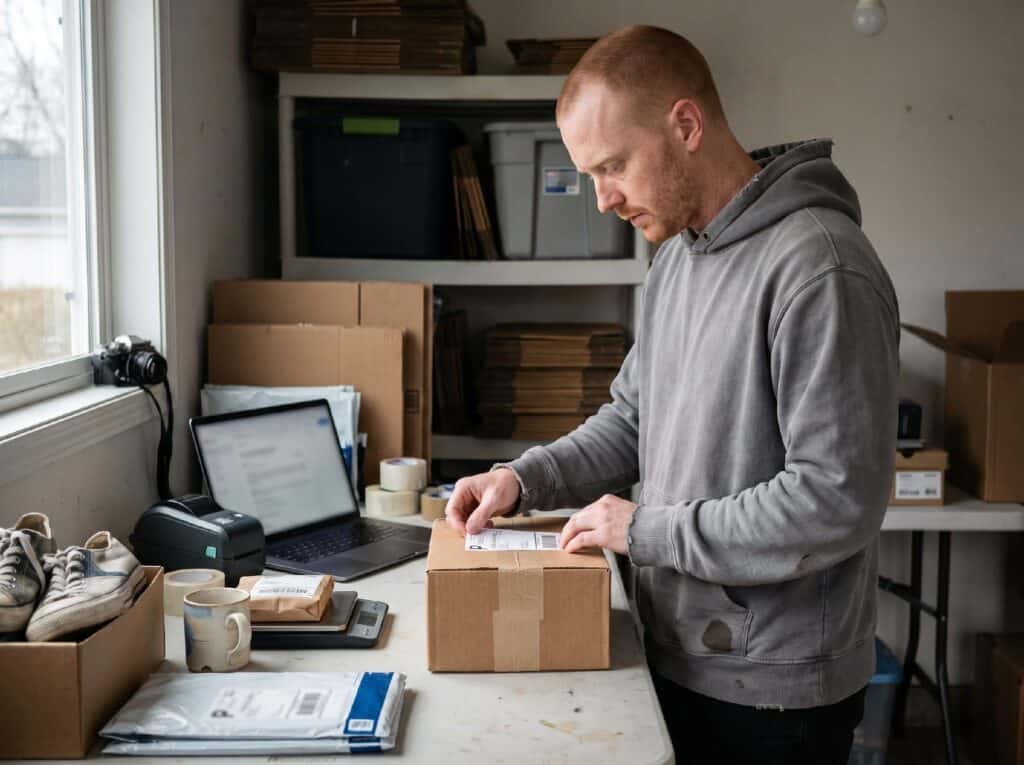
Growing past the hobby stage takes more than buying more inventory. A few habits separate resellers who scale smoothly from those who burn out trying:
- Separate inventory tracking from personal finances immediately, even if it’s just a spreadsheet at first. Knowing exactly what you paid for a pallet and what’s still unsold prevents the slow bleed that kills margins.
- Negotiate shipping rates once volume justifies it. Carriers offer meaningfully better rates past certain thresholds, and most resellers wait too long to ask.
- Decide honestly when DIY shipping stops making sense. If packing and labeling eat more hours than sourcing does, that’s the signal to look at outsourced fulfillment rather than another late night at the kitchen table.
- Revisit your sourcing strategy regularly. The bins remain a legitimate entry point precisely because they teach pattern recognition. Knowing what you can actually find and flip from outlet inventory gives resellers the product instincts that carry over once they’re buying pallets instead of picking bins by hand.
None of this replaces the fundamentals. Resellers who understand turning donated finds into extra cash still have an edge, because they know how to spot value that other buyers miss. Scaling just adds a second skill set on top: managing the operational side once the product side is working.
Conclusion
Goodwill Bins will always be a solid place to start. It’s cheap, it’s forgiving of mistakes, and it teaches the product knowledge that underpins everything a reseller does later. But the resellers who turn that start into a real business are the ones who treat logistics with the same seriousness they treat sourcing. Storage, shipping, and fulfillment stop being background tasks once volume grows, and pretending otherwise is how good sourcing instincts get wasted on a business that can’t actually ship what it sells.
The gap between a bins hobby and a bins-based business isn’t luck. It’s whether the operational side gets built before it becomes a bottleneck, one step at a time, until the two halves of the business grow together instead of one outrunning the other.