You want clothes that look good year after year, not items that fade or fall apart fast. A lasting wardrobe saves time, money, and stress.
It makes getting dressed easier every day. The goal’s simple: fewer pieces that work together and hold up over time.
You build a wardrobe that lasts by choosing classic, well-made pieces that fit your life, mix well, and stay in good shape with proper care. When you focus on fit, fabric, and function, trends stop driving your choices.
Your closet starts working for you instead of against you. Each item earns its place, supports your style, and serves more than one purpose.
Key Takeaways
- Choose pieces that match your daily life and personal style.
- Focus on fit, strong fabrics, and clean construction.
- Care for clothes well so they last longer and look better.
Defining Your Ideal Wardrobe
A lasting wardrobe starts with clear choices. You define what you like, what you need, and how you want your clothes to work together.
These steps guide how you build a wardrobe that feels useful and easy to wear.
Clarifying Personal Style
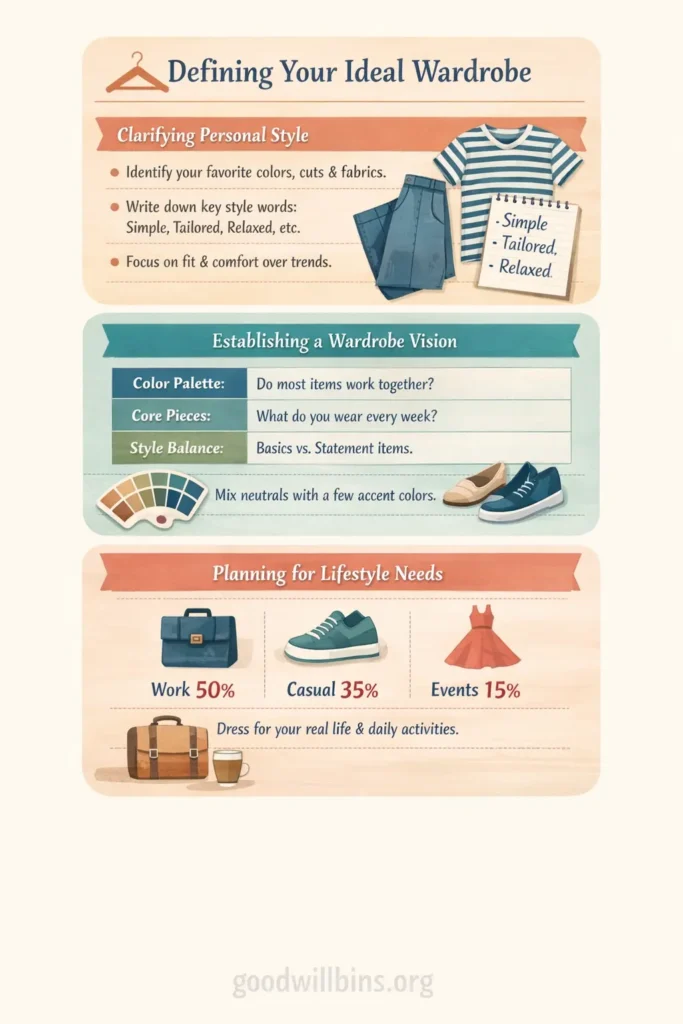
Your personal style shapes every smart clothing choice. Start by looking at the clothes you wear most.
Notice the colors, cuts, and fabrics you reach for again and again. Write down a short list of words that fit your style—maybe simple, tailored, or relaxed.
Keep this list visible when you shop. It helps you dodge impulse buys that just don’t fit your lasting wardrobe.
Focus on fit and comfort. If something looks good but feels wrong, you probably won’t wear it.
A lasting wardrobe supports your body and your taste, not trends. That’s the real trick, isn’t it?
Establishing a Wardrobe Vision
A wardrobe vision gives you a clear target. It defines how you want your clothes to function day to day.
Think in terms of outfits, not just single items. Use this table to shape your vision:
| Category | Key Question |
|---|---|
| Color palette | Do most items work together? |
| Core pieces | What do you wear every week? |
| Style balance | How many basics vs. statement items? |
Choose neutral colors for most pieces. Add a few accent colors you actually like.
This way, you can mix and match and your wardrobe feels complete—not overwhelming.
Planning for Lifestyle Needs
Your lifestyle should drive how you build a wardrobe. List your main activities for a typical week.
Include work, social time, business casual, errands, and rest days. Estimate how often you need each type of outfit. For example:
- Work: 50%
- Casual: 35%
- Formal or events: 15%
Plan clothes for real life, not some fantasy version. If you work from home, focus on comfortable but polished pieces.
If you commute or travel a lot, go for durable fabrics and easy layers. A wardrobe that lasts fits your routine and keeps unused clothing to a minimum.
Laying the Foundation: Wardrobe Staples and Core Pieces
You start with a few strong basics. Focus on fit, function, and repeat wear.
Classic staples make daily decisions easier and give you a solid style base.
Choosing Timeless Silhouettes
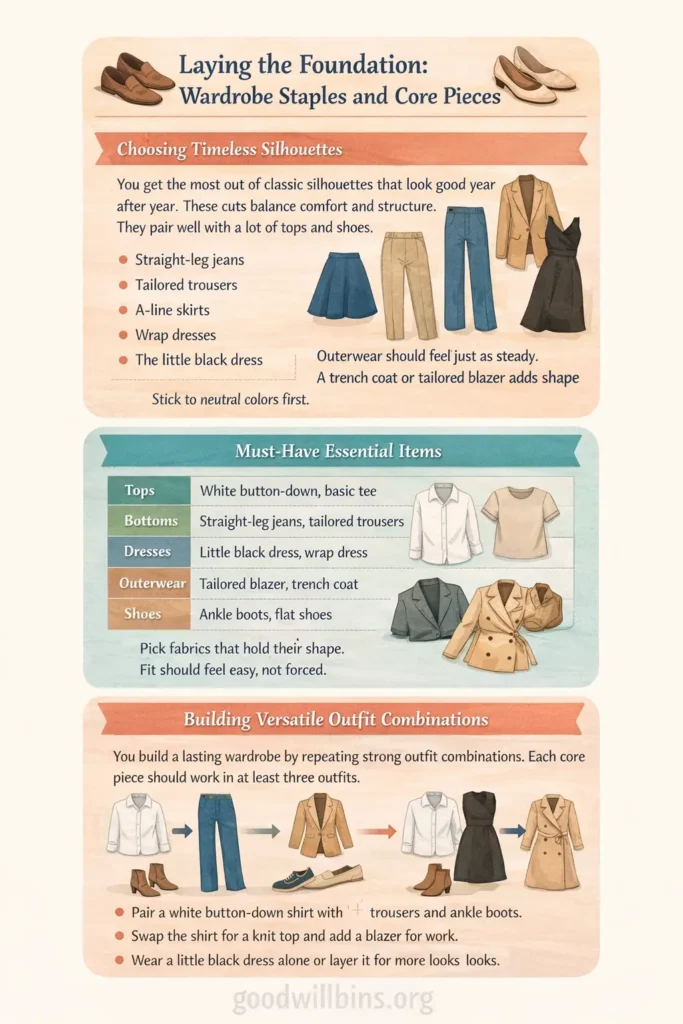
You get the most out of classic silhouettes that look good year after year. These shapes follow the body but don’t feel tight or trendy.
They work across settings, from casual days to formal plans. Look for straight-leg jeans, tailored trousers, and A-line skirts.
These cuts balance comfort and structure. They pair well with a lot of tops and shoes.
Dresses matter too. Wrap dresses and the little black dress offer clean lines and easy styling.
Outerwear should feel just as steady. A trench coat or tailored blazer adds shape without fuss.
Stick to neutral colors first. They keep your wardrobe flexible and calm.
Must-Have Essential Items
Wardrobe staples form the core of daily dressing. You should wear them often and replace them rarely.
Quality matters more than quantity. Focus on pieces like a white button-down shirt, tailored blazer, and straight-leg jeans.
Add tailored trousers, a simple knit top, and a clean pair of ankle boots. Here’s a practical starter list:
| Category | Core Items |
|---|---|
| Tops | White button-down, basic tee |
| Bottoms | Straight-leg jeans, tailored trousers |
| Dresses | Little black dress, wrap dress |
| Outerwear | Tailored blazer, trench coat |
| Shoes | Ankle boots, flat shoes |
Pick fabrics that hold their shape. Fit should feel easy, not forced.
Building Versatile Outfit Combinations
You build a lasting wardrobe by repeating strong outfit combinations. Each core piece should work in at least three outfits.
This rule keeps your closet useful. Start simple—pair a white button-down with tailored trousers and ankle boots.
Swap the shirt for a knit top and add a blazer for work. Change shoes, and you’re ready for dinner.
Dresses can pull their weight too. Wear a little black dress alone, then layer it with a blazer or trench coat.
Use the same shoes and bag to keep things consistent. You rely on neutral bases, and small changes bring variety without clutter.
Evaluating Quality: Fabrics, Construction, and Details
You spot quality clothing by looking at fabric, how a garment’s built, and how it fits your body. Small details often tell you if a piece will last or fall apart fast.
Selecting Quality Fabrics and Materials
Start with the fabric. It affects comfort, wear, and care.
Natural fibers like cotton, wool, silk, and linen usually age better than synthetic blends. They breathe well and feel better on your skin.
Check the weight and texture. Quality fabric feels smooth, dense, and consistent—not thin or rough.
Hold it up to the light. If it’s see-through, the fibers might be weak.
Wrinkle the fabric in your hand. Good cotton and wool bounce back with fewer creases. Delicate fabrics like silk should feel strong, not brittle.
Pick materials that fit how often you’ll wear the item.
Spotting Superior Stitching and Seams
Stitching holds a garment together, so look closely. You want tight, even stitches with no loose threads.
Uneven stitching can lead to gaps and early tearing. Turn the garment inside out—quality seams lie flat and feel smooth.
Reinforced seams show up at stress points like shoulders, armholes, and pockets. Clean seam finishes, like bound or French seams, prevent fraying and help clothing last longer.
If seams already look messy, they’ll only get worse after washing. Strong stitching shows care in construction and hints at better quality.
Inspecting Buttons and Finishing Touches
Small details show how much care went into a garment. Start with the buttons—they should feel solid and attach with tight stitching.
Gently tug each button. If it shifts, it might fall off soon. Quality clothing often comes with extra buttons sewn inside.
Check buttonholes, zippers, and hems. Buttonholes should have clean edges with no loose threads.
Zippers should move smoothly without catching. Hems should lie flat and feel secure. These little touches seem minor but make a difference day to day.
Prioritizing Structure and Fit
Good structure helps clothing keep its shape. Look for pieces with lining, interfacing, or internal support, especially in jackets, coats, and trousers.
These elements add strength and help the garment drape better. Fit matters as much as fabric.
Quality clothing fits well in the shoulders and waist without pulling or sagging. Seams should sit where your body naturally bends.
Try moving in the garment—sit, reach, walk. Well-made pieces stay comfortable and hold their form. When structure and fit work together, your clothes just look better and last longer.
Sustaining and Growing Your Wardrobe
You build a lasting wardrobe by making steady, practical choices over time. Color use, buying habits, smart sourcing, and daily care all shape how long your clothes stay useful and relevant.
Neutral Color Palettes and Versatility
A neutral color palette gives you more outfits with fewer items. Neutral tones like black, white, grey, navy, beige, and olive pair easily with each other.
You can mix pieces without much planning or stress. Neutral colors also help your wardrobe outlast short fashion trends.
Trends change fast, but neutral colors stay wearable year after year. This keeps your wardrobe stable and flexible.
Use one or two accent colors if you want a bit of variety. Keep them limited so they still work with your neutral base.
This approach supports a timeless wardrobe and cuts down on the urge to replace clothes too often.
Common neutral colors and uses
| Color | Works Well For |
|---|---|
| Black | Workwear, evening, layering |
| Navy | Denim, jackets, knitwear |
| Beige | Pants, coats, warm-weather wear |
| Grey | Basics, casual and office wear |
Choosing Quality Over Quantity
Quality over quantity means you buy fewer items that last longer. You focus on fit, fabric, and construction instead of price alone.
This choice lowers waste and reduces repeat purchases. Check seams, buttons, and zippers before you buy.
Strong stitching and solid hardware signal better build quality. Natural or durable fabrics usually hold shape longer than thin blends.
Avoid fast fashion if you can. These items often wear out quickly and lose shape after a few washes.
Ask yourself: Will I wear this at least 30 times? If not, skip it and wait for something better.
Smart Shopping: Thrifting and Secondhand
Thrifting and secondhand shopping stretch the life of clothing already made. You cut demand for new production and save money.
You might even find styles no longer sold in stores. Look for quality brands and classic cuts when shopping secondhand.
These pieces age better and fit into a long-term wardrobe. Check fabric condition, seams, and wear points.
Shop with a list based on gaps in your wardrobe. This keeps you focused and helps you avoid random buys.
Take your time and try items on when you can. Secondhand shopping works best when you stay patient. You may not find everything at once, but you’ll build a stronger wardrobe over time.
Caring for Your Wardrobe
Good care keeps your clothes wearable for years. Always check the care labels before tossing anything in the wash or dryer.
Those little tags actually save your favorite pieces from damage, even if they look confusing at first glance.
Try washing clothes less often, and stick with cold water when you can. Air drying helps fabrics hold their shape and color, which is honestly worth the extra time.
Grab a fabric shaver to tackle pilling on knits and coats. Don’t ignore small repairs—sewing a loose button now can save you a headache later.
Store your clothes with a bit of intention. Hang structured pieces, fold your knits, and you’ll notice your closet stays neater (and your clothes last longer).