Your personal style is one of the most immediate ways you show the world who you are. But here’s the thing: many of us end up with closets full of clothes that don’t reflect who we are or how we want to feel.
Finding your personal style isn’t about following trends or rigid fashion rules. It’s about creating a wardrobe that fits your life and lets your personality shine. This piece will walk you through how to find your style, from self-discovery methods and closet decluttering to building a style blueprint that works for your lifestyle. The process is about making conscious choices rather than impulse purchases. Ready to build a wardrobe that feels authentic to you? Let’s tuck in!
How to Find Your Style: Self-Discovery Methods
Self-discovery is the foundation of finding your personal style. You need to understand what you’re naturally drawn to and what makes you feel confident before you can build a wardrobe that truly represents you.
Tracking Your Daily Outfits
Documenting what you wear reveals patterns you might not notice consciously. Apps like Whering and Indyx let you photograph your daily outfits and analyze your habits, helping you see which pieces you actually rely on.
Tracking helps you separate reality from aspiration. You’ll identify the silhouettes, fabrics, and details you gravitate toward most, making it easier to build a wardrobe that reflects your true style. This awareness also discourages buying items that don’t fit naturally into your routine.
Learning Color Analysis Systems
Color analysis determines which shades go together with your natural coloring. The system assesses temperature (warm versus cool), value (light versus dark), and chroma (muted versus intense). You’ll fall into one of twelve color seasons based on these dimensions. Each has a palette designed to boost your features.
Understanding your undertone simplifies wardrobe decisions. Warm undertones suit gold jewelry and cool undertones suit silver. Neutral undertones suit both. This knowledge prevents buying trendy colors that leave you looking washed out.
Analyzing Your Inspiration Sources
Your style icons reveal more about your fashion philosophy than just what you want to wear. Look beyond traditional fashion models to musicians, artists, friends, or anyone whose esthetic appeals to you. Pinterest and Instagram serve as visual libraries where you can save outfit inspiration. Focus on color palettes and silhouettes rather than exact pieces when browsing.
People watching provides real-life inspiration. Observe how individuals in different settings combine patterns, textures, and layering techniques.
Noticing What You Gravitate Toward
Patterns in your wardrobe reveal inherent priorities. The recurring elements you wear frequently are significant clues to your personal style. Pay attention to which patterns feel comfortable, as they represent your personality traits typically. Items you never wear, despite owning them, likely don’t line up with who you are.
Clearing Out and Starting Fresh
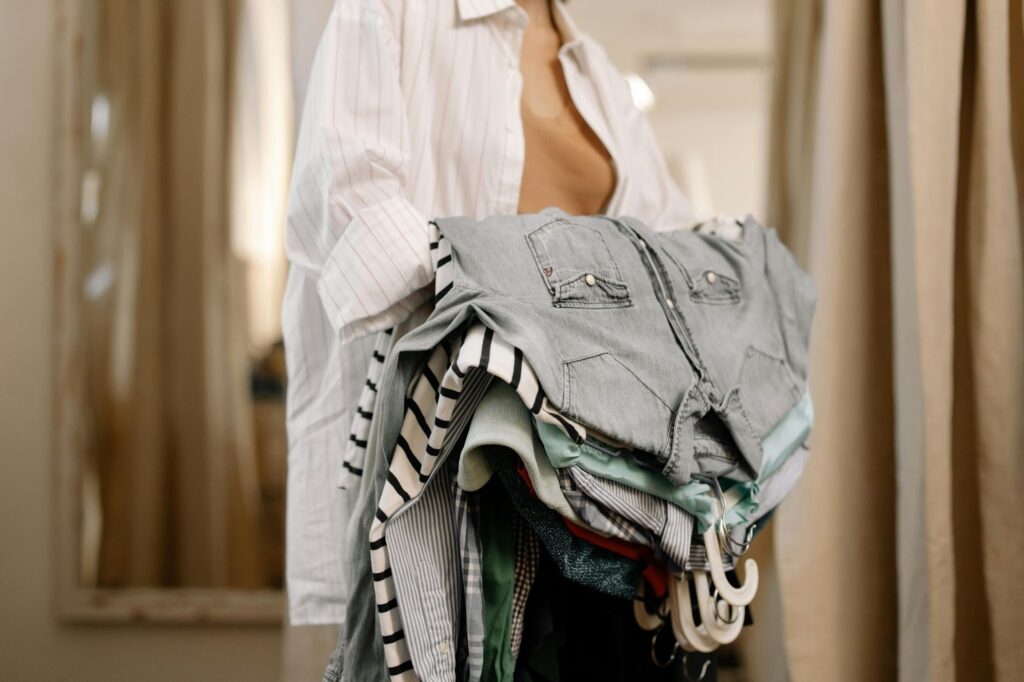
Image source: Pexels
Once you understand your style priorities, the next step requires confronting what’s hanging in your closet. Research shows that 85% of women have clothes in their wardrobe that don’t fit or no longer serve them. Clearing out creates space for a wardrobe that reflects your personal style.
Decluttering Your Closet
Empty your entire closet onto your bed. This complete removal prevents you from skipping items you’re reluctant to address. While your closet sits empty, clean it really well and think over the space you’re working with.
Sort everything into four categories: love, maybe, donate and trash. The love pile contains items you wear often that fit well. The maybe pile holds pieces you’re uncertain about. Sell items that no longer fit your body or lifestyle. Trash has anything damaged beyond repair.
Tackle the maybe pile next with two questions: Would I buy this today? Will I wear this in the next three to six months?. Add it to your donate pile if you answer no to either question.
Keeping Only What Feels Right
Pull out your wardrobe heroes first: the pieces you enjoy wearing, not just what’s convenient. These favorites reveal what works to find your personal style. Get into what you love about each piece, how it’s practical and how wearing it makes you feel.
Remove anything with holes, rips that can’t be fixed or items that are too big or too small. Your body changes throughout life, yet shopping behaviors often don’t line up with these shifts. Clothes from five, ten or fifteen years ago should represent who you are now, not who you were.
Identifying Your Wardrobe Gaps
Wardrobe gaps are missing pieces that prevent you from creating complete outfits. Think about garments you love but never wear. You probably lack the right items to style with them. You might own adorable dresses but no appropriate sneakers to pair with them, to name just one example.
Notice patterns in what’s missing. Gaps occur when you enjoy buying certain categories but avoid shopping for others. This creates an unbalanced wardrobe.
Creating Your Personal Style Blueprint
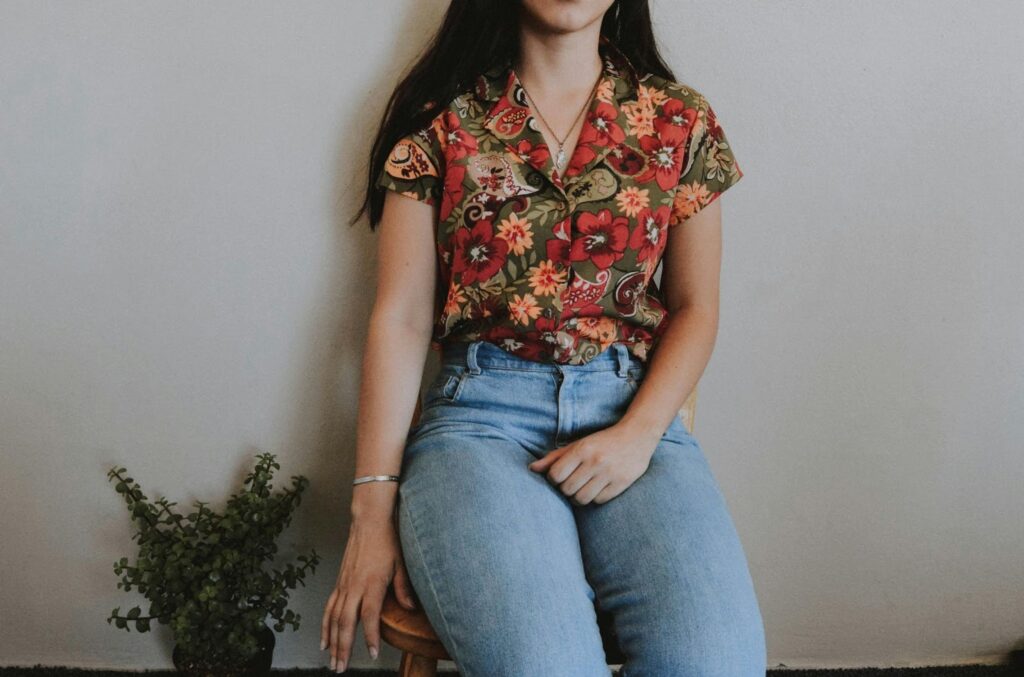
Image source: Pexels
A style blueprint transforms vague priorities into applicable decisions. This framework guides every purchase and outfit choice. Your wardrobe serves your actual needs.
Selecting Your Core Color Scheme
Color accounts for up to 90% of a person’s gut reaction in visual contexts, including clothing. Build your palette around neutrals (black, white, gray, navy, tan) as base colors, then add main colors you wear often and accent colors for personality. You want a nine-shade palette: three main colors, two neutrals, and four accents. Your colors should suit your complexion and match your personal style.
Defining Your Style in Three Words
The three-word method distills your personal style into applicable guidance. Your first word describes what you wear most now. Your second word reflects how you aspire to look. Your third word communicates how you want to feel. These words serve as checkpoints when shopping and getting dressed.
Custom pieces can help bridge the gap between your current wardrobe and the style you want to achieve. When off-the-rack options don’t fully reflect your vision, personalized garments allow you to choose colors, fits, and details that align with your three style words. Investing in tailored outerwear or statement pieces can strengthen your wardrobe identity and create consistency across your outfits. Find what works for you and explore the collection to find options that match your style direction the best and reinforce the look you want to present.
Building Around Your Lifestyle Reality
Your wardrobe should contain the right clothes for your day-to-day life. Analyze how much time you spend on each activity using a pie chart to determine quantities needed. Climate determines core wardrobe composition.
Finding Your Authentic Voice
Fashion allows you to communicate your personality without words. Authenticity means staying true to yourself, not copying trends that feel uncomfortable. Your style reflects your trip and unique view.
Putting Your Wardrobe Together
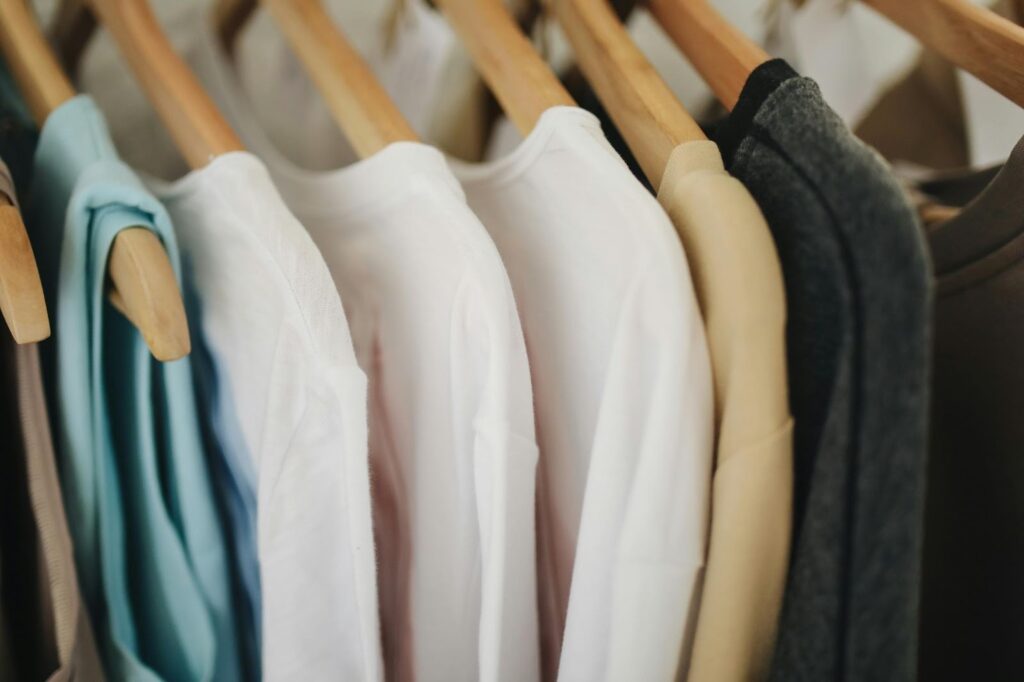
Image source: Pexels
With your blueprint in place, the actual assembly begins. This phase transforms planning into a functional wardrobe.
Shopping Your Own Closet First
Rediscover what you already own before you purchase anything new. Set aside an hour, put on music, and play dress up. Try pieces in combinations you wouldn’t normally reach for: tucked in, tied up, layered, or wrapped. Mix items from different parts of your wardrobe and pair fancy with casual or work with weekend. Take photos of outfits you like and save them for future reference.
Adding New Pieces That Line Up
Apply the three-outfit rule: imagine three ways to wear a new piece with clothes already in your closet before you commit to purchase. If an item doesn’t work with at least three different outfits, think it over again. This approach ensures that every addition supports making your wardrobe last by prioritizing pieces that integrate easily with what you already own. It also encourages you to focus on versatility and long-term value instead of impulse decisions.
Mixing High and Low Investment Items
Mixing strategically creates an expensive look without the price tag. Invest in pieces you wear most often, whereas trendy or occasional items can come from budget-friendly sources. Let one high-end piece anchor your outfit and build around it with affordable basics. Designer accessories like bags and shoes deliver more value than expensive basics.
Creating Go-To Outfit Formulas
Outfit formulas are repeatable clothing combinations that look polished. Classic examples include blazer plus jeans, white t-shirt plus tailored trousers, or midi dress plus loafers. Having a few reliable combinations removes guesswork from getting dressed and helps you feel put together even on busy days. Over time, these formulas become the foundation of your wardrobe and make it easier to incorporate new pieces without disrupting your overall style.
Conclusion
You now have everything you need to build a wardrobe that represents who you are. This process takes time and experimentation, so be patient with yourself as you refine your style.
Focus on making intentional choices rather than chasing every trend. Your personal style will evolve, and that’s natural. Keep what feels authentic and eliminate what doesn’t. Your confidence will follow.