
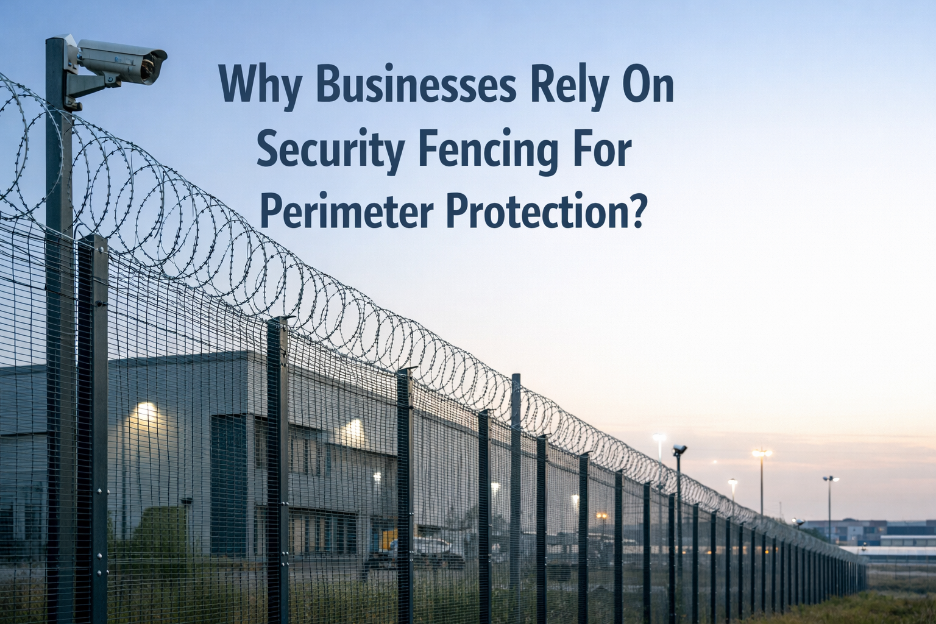
Protecting a business property has become more complex than ever. Unauthorized access, vandalism, and theft can interfere with operations and cause significant financial losses. When the perimeter of a facility is not clearly defined, it is easier for intruders to get close to sensitive areas without being detected immediately. As a result, businesses need to look beyond basic security measures.
At the same time, using only cameras or guards often leaves gaps in protection. Monitoring systems can detect the activity, but they may not prevent someone from entering the property in the first place. This is where security fencing plays an important role in perimeter protection. It provides an effective physical barrier against intruders and can help businesses to manage and monitor access points.
This article describes why businesses depend on security fencing and how it reinforces the perimeter security for commercial and industrial businesses.
1. Establishes Strong First Line of Defense
A well-designed perimeter serves as the first layer of defense around a facility. This is why many organizations install security fencing to clearly define the boundaries of properties to avoid unauthorized entry.
In situations where a property does not have a clear physical boundary, intruders can try to gain access without much resistance. However, a robust fencing system directly indicates that the area is protected. As a result, it acts as a deterrent to opportunistic trespassing and minimizes the possibility of unauthorized access.
In addition, security fencing establishes an enclosed area where entrance and exit points may be monitored efficiently. Instead of having multiple access directions, businesses can control all movement through designated gates.
Consequently, with this structured perimeter, it becomes easier for security teams to monitor activity and be able to quickly respond in case there is a threat.
2. Prevents Climbing, Cutting, and Forced Entry
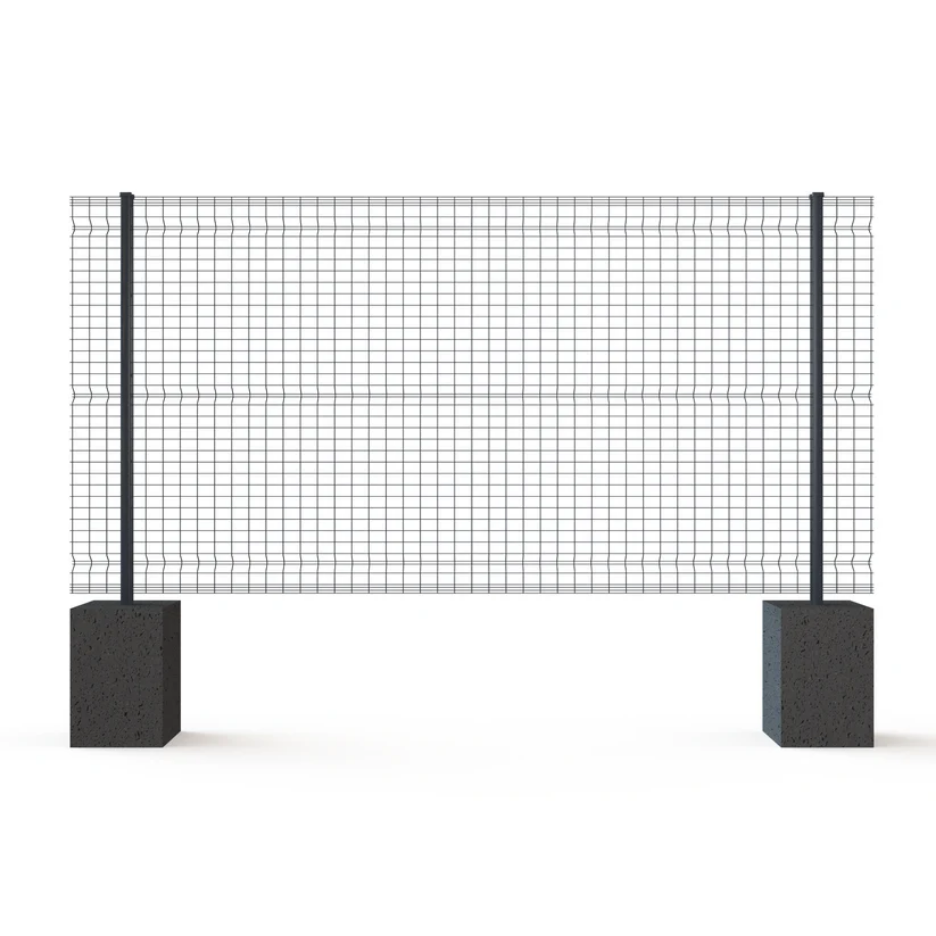
Modern perimeter protection systems are designed to resist the common attempts at intrusion. Traditional barriers may offer visibility of a boundary, but also fail when intruders try to climb or cut through the barrier.
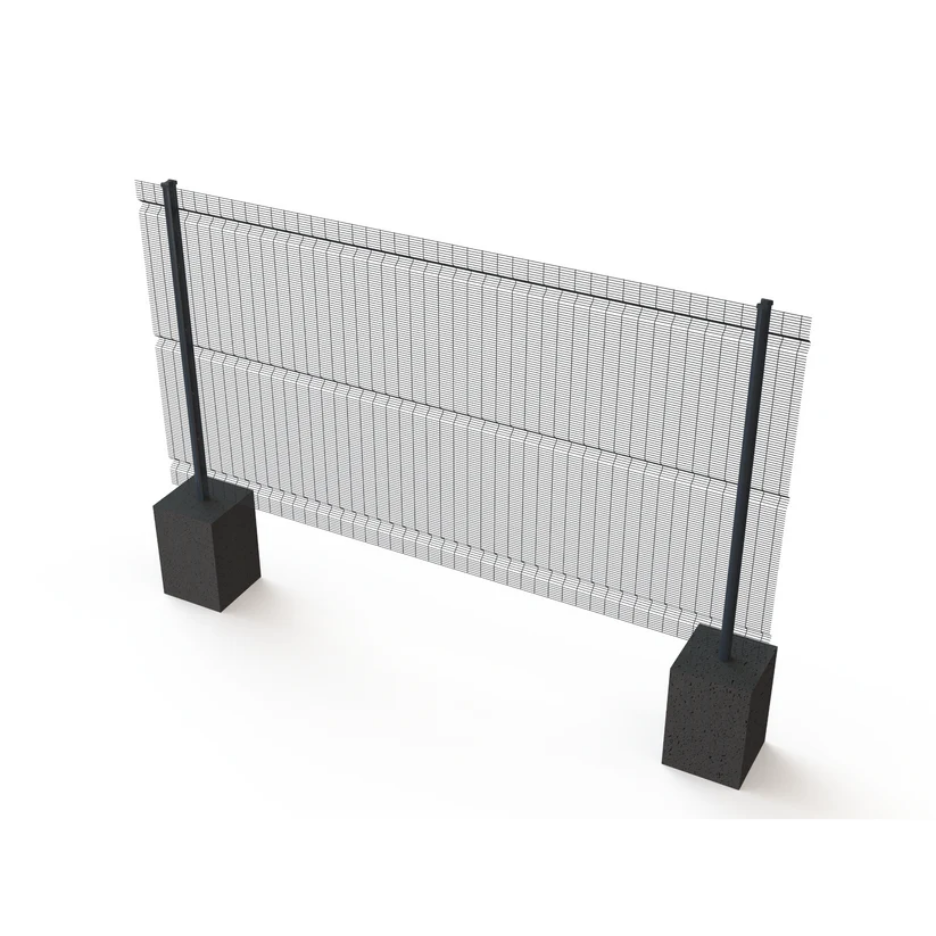
High-security fencing helps to overcome this issue by using specially designed mesh and materials. Narrow mesh openings, for example, reduce footholds and make climbing much more difficult.
In addition, welded steel panels strengthen the overall structure. This construction makes it difficult to easily cut through the fence. Even if someone tries to tamper with it, the design slows down the speed of intrusion attempts and raises the probability of detection.
Therefore, businesses have more time to respond to suspicious activity before a breach happens.
3. Enhances Visibility For Surveillance Systems
Effective security is dependent upon visibility. If guards or cameras cannot clearly see what is happening along the perimeter, it is difficult to monitor.
Unlike solid walls or opaque barriers, the modern security fencing practice maintains clear sight lines across the property boundary. This open design enables CCTV cameras to read activities around the perimeter without any obstruction.
As a result, security teams can identify suspicious behavior earlier. Cameras can also cover more parts of the fence line, limiting blind spots.
Moreover, better visibility promotes better interaction between physical barriers and electronic security systems. When fencing works in conjunction with cameras, lighting, and motion detection, the security network as a whole becomes more effective.
4. Protects Critical Assets and Infrastructure
Many facilities contain valuable equipment, materials, and sensitive infrastructure. Warehouses, data centers, manufacturing plants, and logistics centers are all areas that need reliable protection against theft and sabotage.
Without proper perimeter security in place, these assets are always at risk from external threats. Even one single breach can cause operational downtime or expensive damages.
Security fencing helps reduce these risks by creating a buffer around important infrastructure. Once it is installed, it separates critical areas from surrounding public spaces.
Additionally, it helps businesses limit access to authorized personnel only. Controlled entry points make sure that visitors, contractors, and employees enter through monitored areas.
Consequently, businesses can effectively secure their assets and day-to-day operations.
5. Provides Long-Term Durability and Reliability
Perimeter protection systems are required to operate reliably for years. Exposure to weather, corrosion, and physical stress can deteriorate traditional barriers over a period of time.
However, high-quality security fencing designs are built with durability in mind. Protective coatings and corrosion-resistant materials enable the fencing to withstand harsh environmental conditions.
This durability helps in reducing the need for frequent repairs or replacements. As a consequence, businesses enjoy having a long-term security solution that performs effectively with little maintenance.
In addition, durable fencing systems retain their structural strength while under pressure. This reliability ensures that the perimeter is secure in spite of environmental issues.
Conclusion
Perimeter protection remains one of the most effective ways to safeguard commercial and industrial properties. Without a clear and secure boundary, businesses may struggle to prevent unauthorized access or respond quickly to potential threats or suspicious activities around their facilities.
Security fencing addresses this challenge by creating a strong physical barrier that deters intruders and supports monitoring systems. At the same time, its durable construction helps prevent climbing, cutting, and forced entry attempts, making unauthorized access significantly more difficult.
Additionally, it enhances surveillance visibility, protects valuable infrastructure, and strengthens overall security strategies. Because of these advantages, businesses across multiple industries rely on fencing to protect their facilities and maintain better control over their property boundaries.
Ultimately, investing in a reliable perimeter solution helps organizations maintain safety, protect assets, ensure operational continuity, and support long-term security planning for their sites.