Image Credit: Unsplash
Weekend pop-ups give vintage sellers a low-risk way to test inventory, meet local shoppers and turn secondhand finds into income. Success depends on more than filling a rack and waiting for buyers. A focused selection, clear pricing and a checkout plan can help you sell more during a short event.
Before booking a space, review the organizer’s rules, expected attendance, booth dimensions and weather plan so you know what the day will require.
Curating Goods That Sell Fast
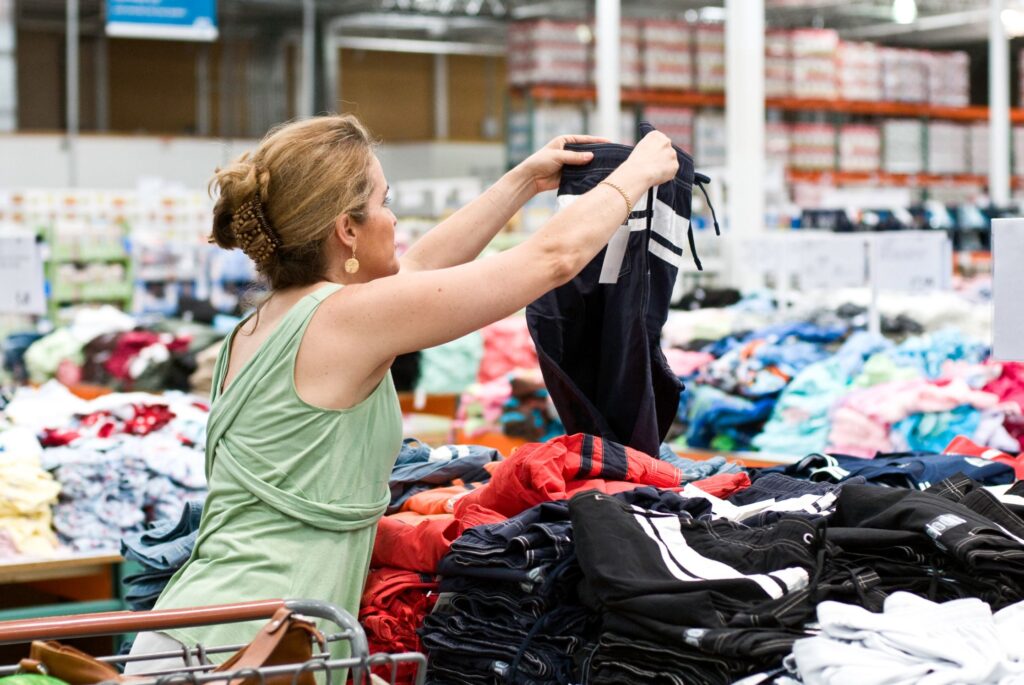
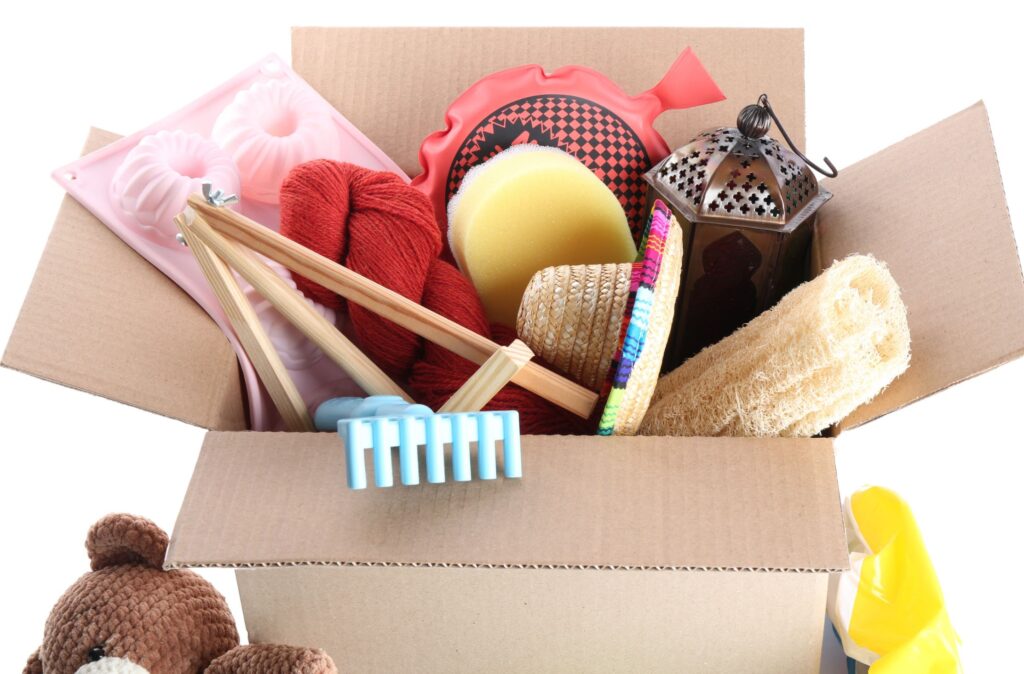
Start with a clear point of view. A booth built around 1990s casualwear, colorful kitchenware or small home accents feels easier to shop than a random mix of everything you’ve found. Use the event’s audience and price range to guide your selection. Sellers who regularly source secondhand inventory can also benefit from learning how to spot thrifted items with resale potential before committing table space to them.
Inspect every item under bright light. Check garments for stains, odors and broken fasteners, then test household goods for chips or loose parts. Price each piece before packing and include enough lower-cost items to encourage quick purchases. For example, a seller with 60 items might bring 10 standout pieces, 35 midpriced staples and 15 small accessories. Keep a private inventory sheet with item descriptions, prices and identifying numbers so you can record what sold.
Designing an Inviting Booth Flow
Treat your booth as a small store with a visible entrance and a clear place to pay. Position your strongest items near the front, but leave enough room for shoppers to step inside without blocking the aisle. Place clothing racks around the edges and use a central table only if customers can move around it comfortably.
Set prices where people can see them. Shoppers may walk away instead of asking what every item costs, especially when the event is busy. A simple sign can explain bundle offers, accepted payment methods and your return policy.
Decide how you’ll accept card and mobile payments before the event. When comparing with a payment processing company, look at transaction costs, equipment needs, reporting tools and inventory features. Test your complete checkout process at home, including receipts and refunds.
Modern Tools for Quick Queue Busting
A slow checkout can cost sales when several shoppers are ready to pay at once. Keep your payment device charged and bring an approved backup power bank. If the venue’s internet connection may be unreliable, ask your service provider how offline transactions work and when they’re submitted.
Label inventory with short codes that match your tracking sheet. When someone buys a denim jacket marked D14, you can record the sale without typing a full description. Preset prices or product categories in your point-of-sale system can also reduce taps during checkout.
Prepare packaging before the doors open. Stack bags by size, keep tissue paper within reach and place receipt supplies beside the payment device. If a friend is helping, assign clear roles: one person can wrap purchases while the other handles payments and customer questions. Run through three pretend transactions together so both people know the process.
Building Repeat Followings After the Event
Give interested shoppers an easy way to find you again. Display one social account or shop address prominently instead of crowding the booth with several calls to action. A small card inside each purchase can list your next market date, care instructions and contact details. Ask permission before adding anyone to an email or text list.
Post a short recap within a day or two. Thank attendees, share a few unsold pieces and announce the next event once it’s confirmed. You can also invite buyers to tag your account when they style or display their purchases, though participation should always be optional.
After unpacking, compare the sales record with the inventory you brought. Note which sizes, eras, colors and price points moved fastest. If five of eight accessories sold but only one bulky decor item found a buyer, give smaller goods more table space next time. That simple record will shape a tighter, more profitable booth at your next weekend pop-up.